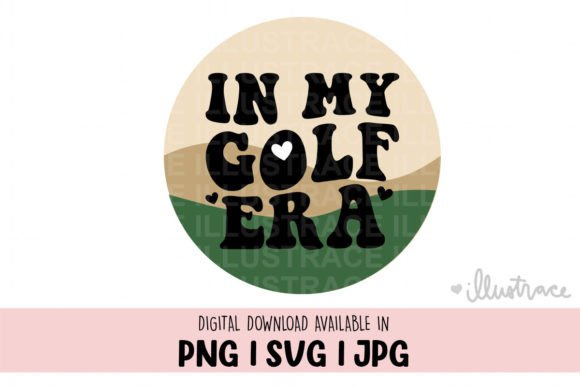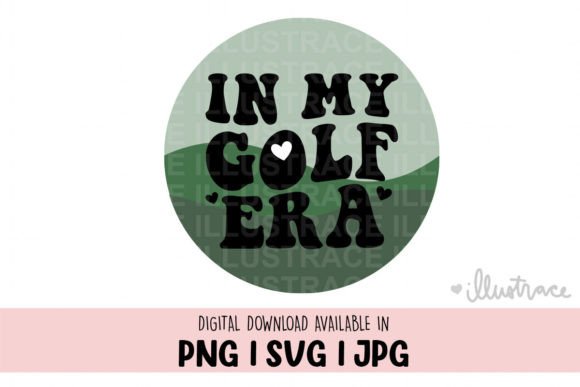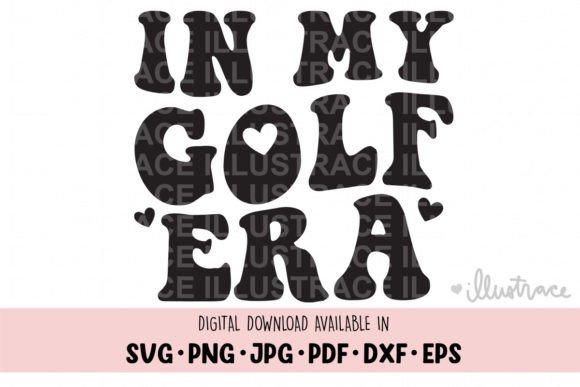
In My Golf Era SVG, Golf PNG
First Impressions: Clean, Confident, and Quietly Clever
When I opened In My Golf Era SVG, Golf PNG for the first time, I didn’t see just another golf-themed graphic—I saw a design with quiet confidence. It’s not loud or cartoonish; it leans into minimalist typography with subtle golf iconography (a clean club silhouette or faint green contour, depending on the version). The lettering has gentle curves and balanced spacing—not too tight, not too airy—making it feel both modern and approachable. As a designer who regularly translates digital graphics into machine embroidery designs, my first question is always: Will this hold up in thread? Here, the answer is yes—but with thoughtful execution.
A Real-World Test: Embroidering a Linen Tote for a Local Golf League
Last month, I used In My Golf Era SVG, Golf PNG to create a custom embroidered tote bag for a women’s amateur golf league launching their spring season. We chose natural linen—a fabric with visible texture and low stretch—and planned to stitch it on the front pocket, roughly 4” wide. Before hooping, I converted the file into a digitized embroidery file using standard underlay and moderate stitch density. The result? Crisp edges, legible lettering at that scale, and a soft visual weight that complemented the linen’s earthy tone without overwhelming it. Customers loved the understated elegance—it felt personal, not promotional. That’s the strength of this design: it works as a handmade product, not just a sticker or printable.
Where It Shines in Embroidery Projects
- Custom apparel: Works beautifully on sweatshirt sleeves, crewneck chest placements, and even lightweight denim jackets—especially when paired with matte cotton or polyester threads.
- Tote bag design & kitchen textiles: Its clean lines translate well onto tea towels, aprons, and canvas totes where readability matters more than flash.
- Baby embroidery & nursery decor: On organic cotton onesies or muslin pillow covers, the phrase feels warm and aspirational—not kitschy—when stitched in soft pastel threads.
- Holiday embroidery & personalized gifts: Think Father’s Day golf-themed gift sets or graduation bundles for aspiring athletes—it adds sincerity without cliché.
- Commercial embroidery & small shop product: For Etsy sellers or boutique owners, it’s versatile enough to sit alongside monogrammed items, seasonal collections, or curated craft business bundles.
Where to Proceed With Care
In My Golf Era SVG, Golf PNG isn’t built for ultra-fine detail or micro-scale applications. Avoid using it on:
- Small hoop sizes under 3” without simplifying or re-digitizing—tiny serifs or thin strokes may vanish in fill stitch.
- Highly textured fabrics like heavy terry cloth or bouclé wool unless you add medium-cutaway stabilizer and reduce stitch density.
- Stretchy fabric (e.g., performance tees or ribbed knits) without proper tear-away + cut-away combo stabilizer—letter spacing can distort if tension isn’t dialed in.
- Dark fabric without testing thread contrast first—some versions include light-outline effects that get lost unless you choose high-contrast thread colors.
- Curved surfaces like structured caps—unless you digitize with tapered underlay and reduced pull compensation, the top curve of letters like “G” or “R” may pucker.
What It Adds to Your Finished Product—Beyond Aesthetics
This isn’t just about how In My Golf Era SVG, Golf PNG looks stitched—it’s about how it makes your customer *feel*. When placed thoughtfully on a handmade item, it signals intention: this wasn’t slapped on; it was chosen, considered, and crafted. That lifts perceived value. For an Etsy seller, that means better reviews and repeat buyers. For a craft fair vendor, it helps your booth stand out—not because it’s flashy, but because it feels human and intentional. And for clients commissioning custom apparel or embroidered patches, it reads as confident branding, not generic clip art.
Practical Embroidery Designer Notes You’ll Want to Keep Handy
- Always test In My Golf Era SVG, Golf PNG on scrap fabric matching your final project’s weight and weave.
- Check thread color contrast in both natural and artificial light—what reads clearly on screen may blur on fabric.
- Review stitch density before stitching: dense fills work on stable fabrics, but running stitch outlines often read cleaner on textured surfaces.
- Confirm hoop size compatibility—some versions include extended flourishes that push beyond standard 4x4 hoops.
- Inspect small details at actual stitch size: zoom in on your embroidery software to spot potential nesting issues or fragile connections between letters.
- Test black-and-white mockups to assess readability on dark or busy backgrounds.
- Use appropriate stabilizer—lightweight cut-away for knits, tear-away for stable wovens, and fusible + cut-away for delicate linens.
- Verify licensing terms before selling finished products or bundling the digital embroidery file—this is a Graphics asset intended for Crafts use, but commercial resale rights vary by seller.
Final Thought: A Design That Earns Its Place
In My Golf Era SVG, Golf PNG doesn’t shout. It doesn’t need to. In a market flooded with overdesigned, overcomplicated motifs, its restraint is its strength. As an embroidery designer and longtime reviewer of digital design assets, I’ve seen how quickly a “cute idea” falls apart under needle and thread. This one holds up—not perfectly out of the box, but reliably with smart digitizing and context-aware choices. Whether you’re making a single personalized gift or building a cohesive line of golf-inspired craft business products, it’s a grounded, flexible, and quietly professional foundation. Just remember: great embroidery starts long before the machine hums. It starts with choosing the right design—and knowing exactly what to do with it.