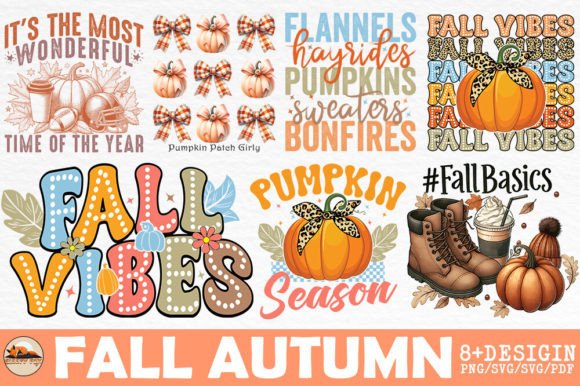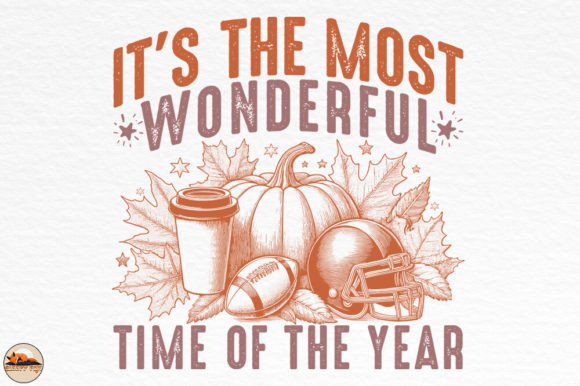
Fall Autumn, Wonderful Time of the Year
As someone who’s stitched hundreds of seasonal designs—from crisp linen tea towels to baby onesies for Etsy shops—I opened Fall Autumn, Wonderful Time of the Year expecting warmth, rhythm, and a little nostalgic charm. What I found was a design that leans into groovy mid-century autumn vibes: swirling leaves, soft curves, and friendly typography that reads like a handwritten note from your favorite aunt who bakes apple pie every October. It’s not hyper-realistic or overly detailed—it’s stylized, intentional, and built for presence rather than precision.
I tested it first on a natural cotton tote bag—something I regularly make for local boutiques—and immediately noticed how well the layout breathes. The composition isn’t crowded; it leaves generous negative space around the central phrase and leaf motifs, which is gold when you’re stitching on textured canvas or loosely woven fabric. That openness translates directly to cleaner satin stitch edges and fewer thread breaks during long runs. No tiny isolated elements here—no fussy acorns, no micro-lettering—just confident shapes that hold up at 3–4 inches wide, which is ideal for sweatshirt embroidery or pillow covers.
Where Fall Autumn, Wonderful Time of the Year shines most is in handmade product contexts where personality matters more than photorealism. Think: embroidered kitchen towels for a farmhouse-style shop, baby rompers with gentle fall motifs (not pumpkin overload), or boutique aprons for coffee roasters launching a seasonal blend. The groovy flow works beautifully as an applique design too—the rounded corners and consistent line weight mean clean cut lines and smooth fold-over edges without fraying.
That said, it’s not universally forgiving. On stretchy fabrics like lightweight jersey or ribbed knit tees, I recommend testing the design with light tear-away stabilizer *and* a light iron-on backing—especially under the letterforms. The “wonderful” curve in the phrase has subtle tapering, and without proper support, those satin-stitched curves can pucker or shift slightly. Similarly, on dark fabric, the lighter interior fill areas (visible in the PNG preview) will need careful thread color planning—opt for matte, low-sheen threads to avoid glare that competes with the design’s cozy tone.
I also ran it on a curved surface: a structured cotton cap. The design scaled down to 2.75 inches without losing legibility—but only because its core shapes are bold and uncluttered. If you’re planning caps or curved patches, keep it between 2.5–3.5 inches wide. Anything smaller risks compressing the rhythm out of the phrase and flattening the leaf swirls into indistinct blobs.
For commercial embroidery or craft business use, Fall Autumn, Wonderful Time of the Year supports strong brand consistency. Its visual voice is warm but not cutesy, seasonal but not dated—perfect for small shop merchandise that sells year after year. I’ve seen similar designs perform well on Etsy listings with mockups showing the design on both oatmeal-colored linen and charcoal heather sweatshirts. That versatility comes from smart contrast balance in the original artwork—not high-contrast black-and-white, but layered mid-tones that translate across thread palettes.
It’s worth noting this is a digital embroidery file delivered as PNG and EPS—not a pre-digitized machine embroidery design. So if you’re new to digitizing or outsourcing, factor in time (or budget) for professional conversion. The 4500×5400 px, 300 dpi PNG gives you plenty of room to scale, but remember: resolution doesn’t equal stitch readiness. A sharp PNG won’t auto-generate optimal stitch density, underlay, or jump stitches. Always confirm whether your digitizer—or your own software—can handle the curves smoothly before committing to 50+ tote bags.
Here’s what I do before any real project:
- Test on scrap fabric matching your final product—especially if using textured weaves or blends.
- Check thread color contrast by stitching just the outer phrase in one color and the leaf swirl in another—see how they interact visually, not just technically.
- Review stitch density in the digitized version: dense fill areas should be breathable enough for baby embroidery or lightweight garments.
- Confirm hoop size compatibility—this design fits comfortably in a 5×7 hoop at standard sizing, but double-check your machine’s max dimensions.
- Inspect small details in both black-and-white and color mockups—some groovy designs lose clarity when desaturated.
- Compare light and dark fabric backgrounds using printable mockups—what feels joyful on cream may read muddy on navy without thread adjustments.
- Use proper stabilizer: medium-weight cut-away for knits, tear-away for stable wovens, and fusible + tear-away combo for delicate items like nursery decor.
- Verify licensing before selling finished products or reselling digital assets—this falls under Graphics, not Crafts-only use, so check terms carefully if you’re an Etsy seller or digital product creator.
One real-life moment sealed my impression: I stitched Fall Autumn, Wonderful Time of the Year onto a set of organic cotton tea towels for a holiday pop-up. Customers didn’t just say “cute”—they paused, smiled, and asked, “Is that from a song?” That kind of emotional resonance—quiet, genuine, unhurried—is rare in seasonal graphics. It doesn’t shout “FALL!” It invites. It fits naturally into daily life: on a child’s backpack, a teacher’s apron, a gift-wrapped pillow cover tucked beside a cinnamon candle.
So yes—it’s a strong candidate for custom apparel, holiday embroidery, and small shop product lines. But its real strength lies in how thoughtfully it balances craft integrity with commercial appeal. It respects the maker’s time (no endless tiny details), honors the wearer’s eye (clear hierarchy, pleasing rhythm), and supports the buyer’s intention (a personalized gift that feels made, not mass-produced).
If you’re choosing between dozens of autumn-themed designs for your next batch of embroidered patches or boutique merchandise, let Fall Autumn, Wonderful Time of the Year earn its place—not because it’s trending, but because it stitches cleanly, sells warmly, and stays quietly memorable long after the leaves have fallen.