Fake Smiles and Real Projects
The First Impression
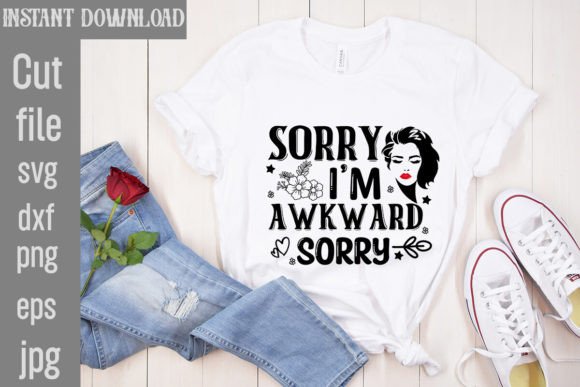
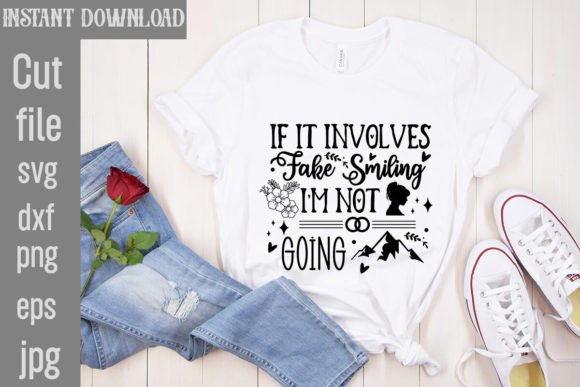
When I first opened the If It Involves Fake Smiling I m Not Goin design, I was struck by its bold, almost confrontational tone. The imagery is clear: a face with exaggerated features, lips parted in what feels like an unconvincing smile. It’s not a typical happy emoji or a cheerful graphic—it’s more like a statement. The layout is simple but effective, with strong lines and a focus on facial expression.
This design has a distinct personality. It doesn’t try to be subtle; it’s direct. That kind of visual language can be powerful in the right context. But as a designer, I’m always thinking about how that same boldness might translate into real-world embroidery projects. Would this design work well on a custom sweatshirt? A tote bag? A baby item?
A Real-Life Scenario: Custom Tote Bag
I imagine using If It Involves Fake Smiling I m Not Goin for a custom tote bag. The design’s strong lines and flat, graphic style make it ideal for large-scale embroidery. It could serve as a striking focal point on a canvas tote, especially when paired with neutral colors. However, I’d consider the placement carefully. If the tote is meant to be used frequently, the design should be positioned where it won’t rub against rough surfaces or get caught on zippers and handles.
The design’s simplicity also means it’s adaptable. It could work on a variety of fabric types—cotton, canvas, even some synthetics—but I’d recommend testing it on scrap fabric first. The stitch density and thread color contrast will play a big role in how it looks on different materials. A bright red thread on a white background would pop, while a darker thread on a light fabric might lose some impact.
Practical Considerations for Embroidery Use
If It Involves Fake Smiling I m Not Goin is versatile enough to fit into many embroidery categories. It could be used for custom apparel, sweatshirt embroidery, or even holiday gifts. Its graphic nature makes it a good candidate for digital embroidery files and printable mockups. But there are some scenarios where it might need extra care.
For instance, if you’re planning to use it on small hoop sizes, the detail might become too compressed. The facial features are sharp, and they could get lost in a tight hoop. Similarly, on textured fabrics or dark backgrounds, the design may not show up as clearly. Testing it on a white fabric first is a smart move.
Another thing to consider is stabilizer use. Since the design is flat and lacks intricate details, it should handle well with basic stabilizers. But if you're working on a curved surface like a cap or hat, you’ll want to ensure the design remains crisp and doesn’t stretch. For layered garments, especially those with multiple seams, the design might need additional support to prevent distortion.
Design Quality and Visual Appeal
Visually, If It Involves Fake Smiling I m Not Goin is clean and modern. The lack of unnecessary embellishments makes it feel intentional. However, as a designer, I’d suggest checking the fill stitch and satin stitch options to enhance the facial features without overcomplicating the design. This is especially important if the design is intended for commercial embroidery or craft business products.
The design’s visual appeal depends heavily on the thread colors chosen. A monochrome version could work well for minimalist projects, while a vibrant color palette might suit more playful or edgy designs. I’d also recommend reviewing the design in black and white to assess how it holds up under different lighting conditions.
Where to Use Carefully
While If It Involves Fake Smiling I m Not Goin is versatile, there are certain applications where it might require more attention. On thin fabric or stretchy fabric, the design could lose definition. Similarly, tiny lettering or complex corners might not translate well, especially if the design is intended for personalized gifts or small shop products.
If you’re planning to use this design on a product that needs frequent washing, such as a tea towel or kitchen towel, you’ll want to ensure the stitches are dense enough to withstand repeated use. For nursery decor or wedding gifts, the design’s boldness might be too much for some tastes, so it’s worth considering the target audience before finalizing your project.
Design Notes for Embroidery Professionals
As an experienced designer, I always recommend testing new designs on scrap fabric before committing to a full project. This helps identify any potential issues with stitch density, hoop size, or thread color contrast. For If It Involves Fake Smiling I m Not Goin, I’d also encourage checking the file formats provided to ensure compatibility with your machine. The SVG, DXF, and EPS files are standard, but it’s always good to confirm their performance in your specific software.
Before selling finished items or digital products, be sure to review the license terms. While the product description mentions it’s a digital download, it doesn’t specify whether it’s for personal or commercial use. As an Etsy seller or small shop owner, clarity on licensing is essential to avoid legal issues.
Final Thoughts
If It Involves Fake Smiling I m Not Goin is a strong, expressive design that can work well in the right context. Its bold visual language makes it suitable for custom apparel, embroidered patches, and handmade products. However, it requires careful consideration when used on small hoops, dark fabrics, or curved surfaces.
Ultimately, the success of this design depends on how well it fits your brand and the expectations of your customers. Whether you’re creating a personalized gift or a commercial embroidery project, taking the time to test and refine the design will help ensure it delivers both quality and impact.